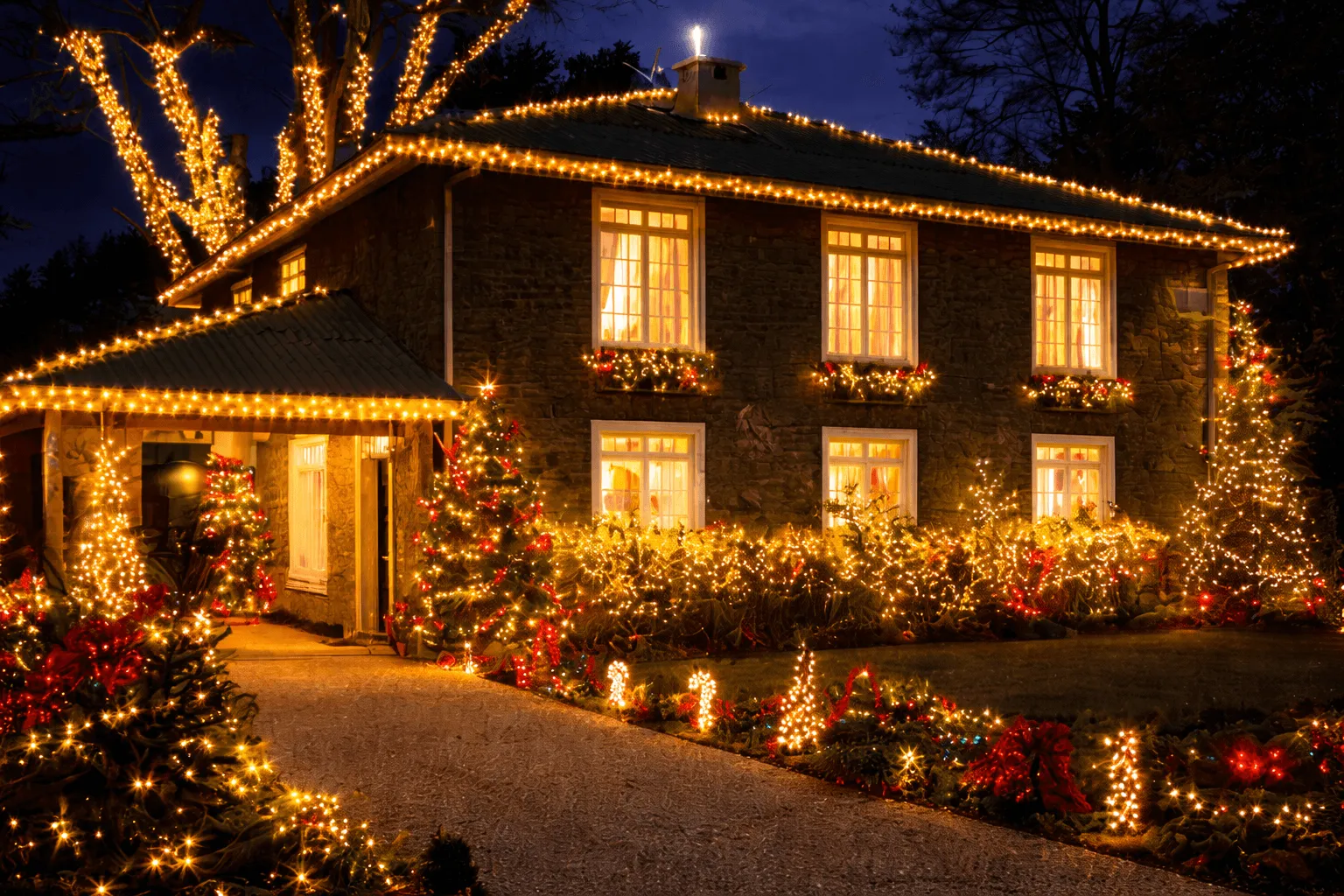
Exterior illumination does more than simply brighten the darkness. Whether you are looking to heighten your home’s curb appeal, improve safety along walkways, or extend your living space into the backyard after sunset, the right design choices create a transformative experience. Modern illumination integrates aesthetics with utility, turning a standard property into a welcoming, secure environment. If you are exploring upgrades to your home, understanding the nuances of professional outdoor lighting services is the first step toward a successful installation.
The Intersection of Aesthetics and Security
When designing an exterior lighting plan, the objective is balance. Over-lighting can create a harsh, institutional feel, while insufficient light leaves blind spots that undermine security. A well-executed plan highlights the architectural features of your residence while ensuring that dark corners are eliminated.
Strategic placement is vital. Lighting pathways not only prevents trips and falls but also serves as a subtle deterrent to potential intruders. By utilizing low-voltage LED technology, you can create layers of light—soft washes on garden walls, focused spotlights on specimen trees, and gentle guidance for stairs. Many homeowners now prefer smart systems that allow for scheduling, color adjustment, and dimming, providing full control over the mood and energy efficiency of the property.
Understanding the Role of Professional Installation
While many high-end fixtures are available to the public, the longevity and performance of your system depend heavily on the quality of the installation. Proper voltage drop calculations, appropriate wiring depths, and sealed connections are technical requirements that ensure your system withstands moisture, seasonal temperature fluctuations, and soil movement.
Homeowners who attempt DIY installations often encounter issues with flickering lights or premature ballast failure due to incorrect circuit loading. Relying on a professional electrical contractor near me ensures that the system is properly grounded, the circuits are correctly protected against surges, and all work meets local building codes. A certified professional brings a deep understanding of load calculations, ensuring that your existing panel can support the new exterior demand without compromising other household systems.
Addressing Wiring and Weatherproofing
Outdoor environments are inherently harsh. Electrical components are exposed to rain, humidity, soil acidity, and heat. Professional installers use marine-grade connectors and heavy-duty, UV-rated cabling that resists degradation. When you hire an expert to manage your outdoor lighting services, you are paying for the peace of mind that comes with knowing the connections are buried correctly and protected from the elements.
Strategic Lighting Techniques for Curb Appeal
To achieve a high-end look, design professionals often employ specific lighting techniques to manipulate shadows and highlights. Understanding these terms can help you better communicate your vision during a consultation:
- Up-lighting: Placing fixtures at the base of trees or architectural columns to create drama and emphasize height.
- Down-lighting: Mounting fixtures high on trees or eaves to simulate moonlight, casting gentle, natural-looking shadows.
- Path Lighting: Utilizing directional shielding to keep light focused on the walkway rather than causing glare for pedestrians.
- Silhouette Lighting: Placing lights between an object and a wall to highlight the shape of features like statues or dense hedges.
By integrating these techniques, you move beyond “visible light” to “sculpted light,” enhancing the character of your landscaping long after the sun goes down.
Troubleshooting Common Exterior Electrical Issues
Even the most robust systems require maintenance. If you notice persistent issues, it is often a sign of underlying electrical stress. Before calling for a professional assessment, consider whether your system is exhibiting these common failure points:
- Corrosion: Over time, moisture finds its way into fixtures. If your lamps are dim or inconsistent, it may be due to corroded sockets.
- Transformer Overload: Adding too many fixtures to an existing transformer can cause the system to overheat or trip breakers.
- Ground Fault Interrupter (GFI) Tripping: If your lights cut out after rain, it indicates a moisture-related ground fault that requires professional diagnosis.
- Inconsistent Timers: If your scheduled lighting is failing, the timer mechanism may be nearing the end of its life, or there may be a connectivity issue in the low-voltage hub.
When you require a technician to investigate these concerns, seeking a licensed electrical contractor near me is the most effective way to address the issue safely. Attempting to open transformers or splice outdoor cables without proper certification risks personal injury and can lead to costly damage to your home’s primary electrical system.
Designing for Longevity and Sustainability
Modern trends in exterior lighting lean heavily toward sustainability. LED technology has revolutionized the field, allowing for a significant reduction in power consumption compared to the halogen systems of the past. Beyond energy savings, LED bulbs offer a much longer operational life, which reduces the frequency of maintenance.
When selecting products, focus on color temperature. A “warm” white (around 2700K to 3000K) is generally preferred for residential properties as it mimics natural incandescent light and feels more inviting. Avoid the harsh, bluish-white tints associated with industrial lighting. By choosing high-quality fixtures with adjustable optics, you can adapt your lighting as your landscaping matures, ensuring that your investment remains relevant for years to come.
Planning Your Project: A Step-by-Step Approach
If you are ready to enhance your home, begin by identifying your primary goals. Is security the priority, or are you focused on entertaining? A professional contractor will guide you through the following phases:
- The On-Site Assessment
A technician should physically walk your property at dusk to see where light is needed most. They will identify hazards, potential focal points, and areas where light might spill into neighboring properties—a common concern in suburban neighborhoods.
- Infrastructure Planning
Your electrical contractor near me will evaluate your current power supply. If you are adding a significant number of fixtures, you may need a dedicated circuit or an upgraded transformer to ensure the system is stable.
- Fixture Selection
Choose materials that match the climate. Solid brass or copper fixtures are often recommended for their resistance to oxidation compared to lightweight plastic or aluminum alternatives.
- Implementation and Testing
Installation should be clean and precise, with wires buried to code and fixtures properly angled to prevent glare. Once installed, a walk-through allows the technician to fine-tune the beam angles for optimal effect.
Ultimately, your home’s exterior is an extension of your living space. By investing in professional outdoor lighting services, you improve the functionality and beauty of your property while protecting your investment through expert, code-compliant workmanship. Whether you are looking to highlight a garden path or secure your entryway, the right lighting strategy makes all the difference.