What Is an Event?
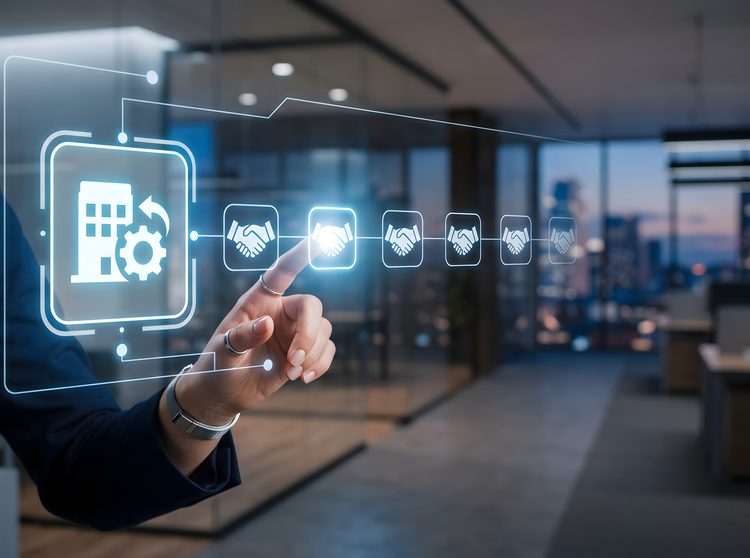
An event is a planned occasion designed to bring people together for a specific purpose. It can be formal or informal, large-scale or intimate, and may serve goals such as celebration, education, promotion, networking, or entertainment. Events are structured experiences, often defined by a set time, location, and audience.
In today’s interconnected world, events are no longer limited to physical spaces. Digital and hybrid formats have expanded how people gather, interact, and share experiences.
Core Characteristics of an Event
An event typically includes several defining elements that shape the overall experience:
-
Purpose: The reason the event exists, such as learning, celebration, or marketing
-
Audience: The group of people the event is designed for
-
Timing: A fixed date and duration
-
Venue or Platform: Physical location or virtual environment
-
Planning & Coordination: Organized activities, schedules, and logistics
Each of these elements contributes to how memorable and effective an event becomes.
Major Types of Events
Corporate Events
Corporate events are organized by businesses to achieve professional objectives. These events help strengthen brands, educate teams, and build relationships.
-
Conferences and seminars
-
Product launches
-
Annual general meetings
-
Team-building retreats
Social Events
Social events focus on personal milestones and shared celebrations.
-
Weddings and engagements
-
Birthday and anniversary parties
-
Family reunions
-
Cultural and religious ceremonies
Entertainment and Cultural Events
These events are designed to engage audiences through art, performance, and shared cultural expression.
-
Music concerts and festivals
-
Theater performances
-
Art exhibitions
-
Community fairs
Educational Events
Educational events aim to share knowledge and develop skills.
-
Workshops and training sessions
-
Academic conferences
-
Webinars and online classes
-
Panel discussions
Virtual and Hybrid Events
With the rise of digital technology, events now extend beyond physical boundaries.
-
Fully online summits
-
Live-streamed conferences
-
Hybrid trade shows combining in-person and online audiences
Why Events Are Important
Events play a critical role across industries and communities. Their value goes beyond gathering people in one place.
-
Connection: Events foster meaningful human interaction
-
Engagement: They create immersive experiences that capture attention
-
Brand Building: Businesses use events to increase visibility and trust
-
Knowledge Sharing: Events are powerful platforms for learning
-
Economic Impact: Large events support tourism and local economies
Well-executed events leave lasting impressions that influence behavior, relationships, and decision-making.
Key Stages of Event Planning
Successful events rarely happen by chance. They follow a structured process:
-
Concept and Goal Setting
-
Budgeting and Resource Allocation
-
Venue or Platform Selection
-
Promotion and Audience Outreach
-
Execution and On-Site Management
-
Post-Event Evaluation and Feedback
Attention to detail at each stage ensures the event delivers on its objectives.
The Future of Events
The event landscape continues to evolve with advancements in technology and changing audience expectations. Trends such as personalization, sustainability, data-driven planning, and immersive digital experiences are shaping how events are designed and delivered.
As audiences seek more meaningful and flexible experiences, events will increasingly blend creativity with innovation.
FAQs About Events
1. What is the main purpose of an event?
The main purpose of an event is to bring people together to achieve a specific goal, such as learning, celebration, promotion, or networking.
2. How do virtual events differ from physical events?
Virtual events take place online and remove geographical barriers, while physical events occur at a specific location and offer face-to-face interaction.
3. What makes an event successful?
Clear objectives, good planning, audience engagement, and smooth execution are key factors in a successful event.
4. Are events important for small businesses?
Yes, events help small businesses build brand awareness, connect with customers, and establish credibility in their market.
5. How early should event planning start?
Planning timelines vary, but most events require several weeks to months depending on size and complexity.
6. What role does technology play in modern events?
Technology enhances registration, marketing, engagement, data tracking, and virtual participation.
7. Can events be measured for effectiveness?
Yes, effectiveness can be measured using attendance data, audience feedback, engagement metrics, and return on investment.