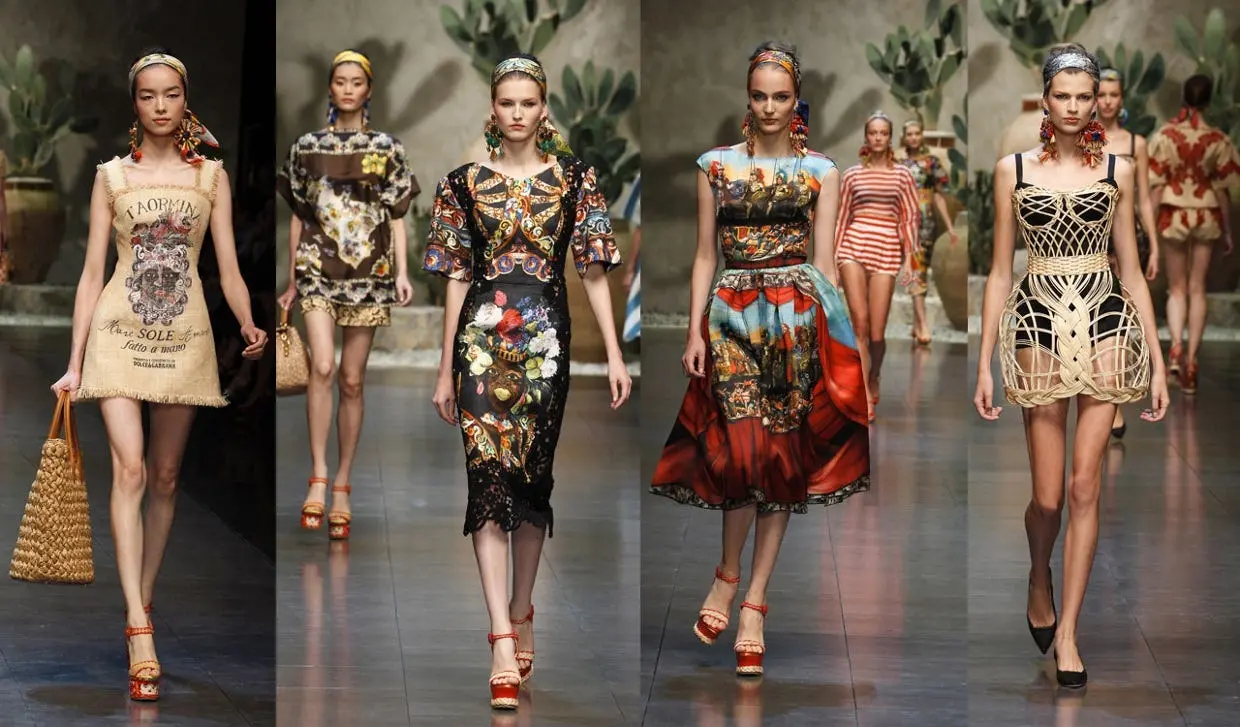
Fashion is more than clothing. It is a living language of self-expression, shaped by culture, technology, sustainability, and individual identity. From everyday streetwear to luxury craftsmanship, fashion reflects how people live, think, and evolve in a constantly changing world.
The Evolution of Fashion in Modern Society
Fashion has transitioned from rigid seasonal rules to a fluid, inclusive ecosystem. Digital platforms, global connectivity, and cultural exchange have reshaped how trends emerge and spread.
Key Shifts in Contemporary Fashion
-
Seasonless dressing replacing strict fashion calendars
-
Gender-fluid designs redefining traditional silhouettes
-
Global influence, blending regional aesthetics into mainstream style
-
Individual expression valued over trend conformity
Today, fashion is less about following rules and more about telling a personal story.
The Role of Sustainability in Fashion
Sustainability is no longer optional. Consumers are demanding accountability, transparency, and ethical responsibility from fashion brands.
Core Elements of Sustainable Fashion
-
Eco-friendly fabrics such as organic cotton, hemp, and recycled fibers
-
Ethical production with fair wages and safe working conditions
-
Slow fashion principles, emphasizing quality over quantity
-
Circular fashion, including resale, repair, and upcycling
Sustainable fashion encourages mindful purchasing while reducing environmental impact.
How Technology Is Transforming Fashion
Technology has become a powerful force behind innovation in fashion, changing how clothes are designed, produced, and consumed.
Fashion-Tech Innovations
-
AI-driven design tools for trend forecasting and customization
-
3D printing enabling rapid prototyping and reduced waste
-
Virtual try-ons enhancing online shopping experiences
-
Smart textiles integrating functionality with style
These advancements allow fashion to be more efficient, personalized, and accessible.
Personal Style: The Heart of Fashion
Personal style is where fashion becomes deeply human. It reflects lifestyle, values, and confidence rather than trend adherence.
Building a Timeless Personal Style
-
Invest in versatile wardrobe essentials
-
Focus on fit and comfort over labels
-
Choose colors and silhouettes that suit your lifestyle
-
Mix trends with classics for balance
A strong personal style evolves naturally while remaining authentic.
Fashion Across Cultures and Communities
Fashion is a cultural archive. Traditional garments, craftsmanship, and textiles preserve heritage while inspiring modern interpretations.
Cultural Influence in Fashion
-
Traditional patterns reimagined in contemporary designs
-
Indigenous craftsmanship gaining global recognition
-
Regional textiles influencing international runways
Respectful cultural appreciation adds depth and meaning to modern fashion.
The Future of Fashion
The future of fashion is intentional, inclusive, and innovative. Consumers are shifting from impulse buying to conscious choices, while designers prioritize responsibility and creativity.
What Lies Ahead
-
Greater focus on circular fashion systems
-
Expansion of digital fashion and virtual wardrobes
-
Increased size and identity inclusivity
-
Transparent supply chains powered by technology
Fashion’s next chapter is about aligning style with purpose.
Frequently Asked Questions (FAQs)
1. What defines fashion in today’s world?
Fashion today is defined by self-expression, inclusivity, sustainability, and the blending of global influences rather than rigid trends.
2. How can someone stay fashionable without overspending?
By building a capsule wardrobe, choosing timeless pieces, and mixing affordable basics with statement items.
3. Is sustainable fashion more expensive?
Not necessarily. While some items cost more upfront, they often last longer, making them cost-effective over time.
4. How important is fit compared to trends?
Fit is more important than trends. Well-fitted clothing enhances confidence and appearance regardless of style trends.
5. Can fashion be both ethical and stylish?
Yes. Ethical fashion brands increasingly combine responsible practices with modern, stylish designs.
6. How does culture influence fashion trends?
Cultural traditions, music, art, and social movements heavily influence colors, patterns, and silhouettes in fashion.
7. What role does technology play in the future of fashion?
Technology enables personalization, reduces waste, enhances shopping experiences, and drives innovation in materials and design.