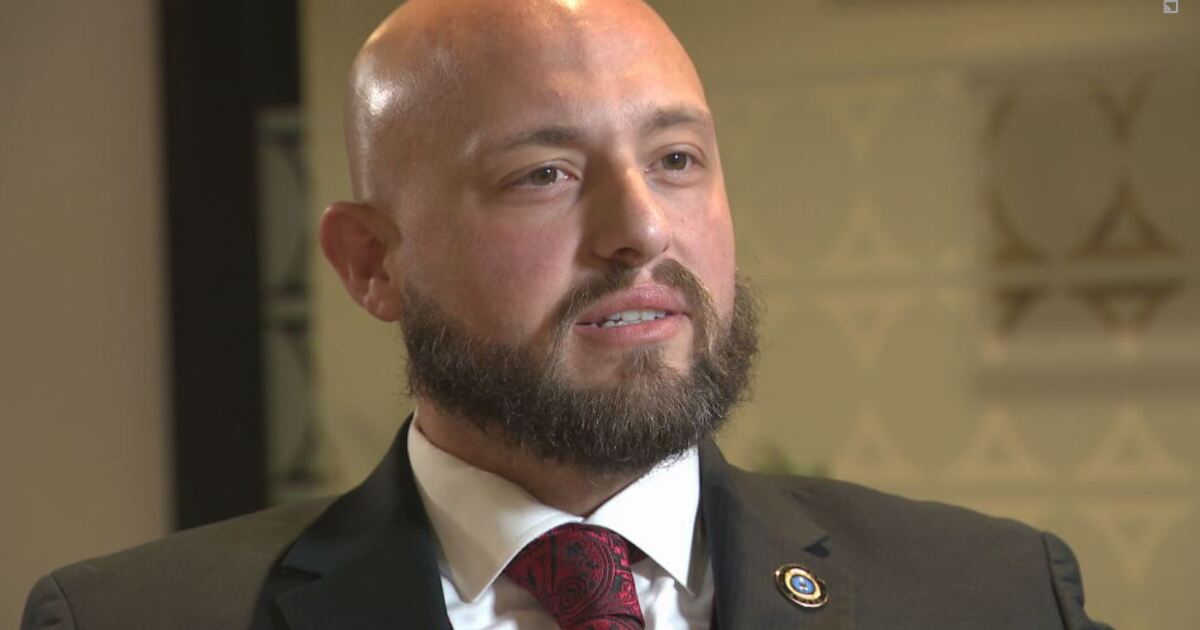
Jack Byrd views technology as a supplement to human security rather than a replacement. This philosophy guides Solaren Risk Management’s integration of surveillance systems, mobile platforms, and communication tools across client sites.
The partnership with LiveView Technologies represents the company’s most visible tech initiative. These mobile surveillance trailers deploy quickly to client properties, operating on solar power with AI-powered camera systems. The units detect faces, monitor activity outside designated hours, and issue automated warnings through speaker systems.
However, Jack Byrd emphasizes that these systems require human oversight. AI makes mistakes, access control systems malfunction, and automated monitoring needs regular audits. Security personnel remain essential for interpreting alerts, responding to incidents, and maintaining client relationships.
Communication technology enables distributed operations. Solaren moved from landline phones to mobile-based platforms that allow operations staff to coordinate from the field. The system provides flexibility for supervisors managing multiple contracts across different locations simultaneously.
Radio systems receive ongoing updates. Recent upgrades added multiple zones and channels to accommodate different client sites and event requirements. Supervisors train contractors on proper radio etiquette, channel switching, and emergency communication protocols during pre-deployment briefings.
Management platforms centralize contractor information. The system tracks certifications, schedules shifts, manages documentation, and processes timesheets. Contractors access everything through mobile applications, selecting available shifts and viewing schedule changes without requiring direct supervisor contact for routine matters.
License plate readers serve clients needing vehicle monitoring. These systems use AI to identify, categorize, and track vehicles entering or leaving properties. The technology proves particularly valuable for hotels, residential complexes, and facilities with large parking areas.
Jack K. Byrd III explores emerging technologies including cybersecurity tools. One device under consideration would detect digital intrusions within specific geographic zones and automatically shut down threats. This represents potential expansion into cyber-physical security integration.
Training incorporates technology education alongside traditional security skills. Contractors learn surveillance system operation, report writing software, and communication platform navigation. Equipment-specific training occurs before major events to ensure all personnel understand assigned tools.
The company standardized office technology when current systems were implemented. All staff received updated laptops, monitors, and workstations to support digital workflows. Upgraded internet infrastructure enables cloud-based platforms and remote coordination.
Mobile internet capabilities allow field operations to function independently. Supervisors access management systems, submit reports, and coordinate personnel without returning to headquarters. This independence proves crucial during large events or emergency responses requiring on-site decision-making.
Social media and digital marketing receive attention despite being outside core security services. According to coverage in Tech Times, the company maintains active online presence to attract quality applicants and demonstrate expertise to potential clients.
Jack Byrd’s position on automation remains consistent: technology enhances human capability rather than eliminating it. Security work requires judgment, interpersonal skills, and situational awareness that current AI cannot replicate. Tools improve efficiency and coverage but don’t replace trained personnel.
The balance between innovation and tradition defines Solaren’s approach. Advanced surveillance supplements guards at client properties. Mobile platforms support field operations without replacing in-person management. Communication technology enables coordination across states while maintaining personal relationships with clients and contractors.
Future technology adoption will likely follow this pattern. Jack Byrd guides decisions by evaluating whether tools genuinely improve service quality or simply introduce complexity. The question remains whether technology solves real problems for clients and contractors rather than existing for its own sake.