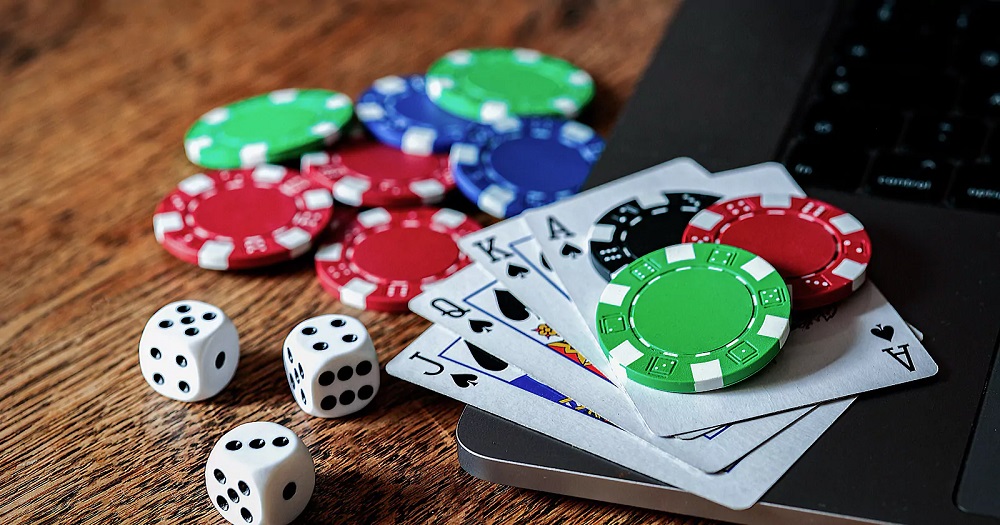
Gambling is a long-standing form of entertainment that blends chance, strategy, and risk. From traditional casino games to modern online platforms, it has evolved rapidly while remaining a topic of debate due to its financial, psychological, and social implications. This guide explores gambling in a balanced, factual way—covering how it works, why people play, and how to engage responsibly.
What Is Gambling?
Gambling involves wagering money or something of value on an outcome that is uncertain, with the primary intent of winning more than was staked. Outcomes are influenced by chance, skill, or a mix of both.
Common elements include:
-
Stake: The amount risked
-
Outcome: The result of the event or game
-
Payout: The reward if the wager succeeds
-
House edge: The built-in advantage favoring the operator
Major Types of Gambling
Casino Gambling
Casinos offer games designed around probability and excitement. Popular options include:
-
Slot machines (pure chance)
-
Roulette (chance with betting strategies)
-
Blackjack (chance and skill)
-
Poker (primarily skill against other players)
Sports Betting
Sports betting involves predicting the outcome of sporting events. Bettors may wager on:
-
Match winners
-
Point spreads
-
Totals (over/under)
-
Player performance
Online Gambling
Digital platforms provide access to casino games, sports betting, and live dealer experiences from anywhere. Convenience and bonuses have driven rapid growth in this sector.
Lottery and Number Games
These are low-cost, high-reward games with extremely long odds. Participation is often casual, with proceeds sometimes supporting public programs.
Why People Gamble
People gamble for varied reasons, not all of which are financial:
-
Entertainment and excitement
-
Social interaction
-
Testing skill or strategy
-
The appeal of winning big with a small stake
For many, gambling is an occasional leisure activity rather than a pursuit of profit.
Understanding the Risks
While gambling can be enjoyable, it carries real risks if not managed carefully.
Key risks include:
-
Financial loss due to unfavorable odds
-
Emotional stress linked to wins and losses
-
Development of compulsive gambling behaviors
-
Strained relationships and reduced productivity
Understanding probability and setting limits are critical to minimizing harm.
The Psychology Behind Gambling
Gambling is strongly influenced by human psychology. Features such as near-misses, variable rewards, and fast-paced play can reinforce repeated behavior.
Common cognitive biases include:
-
Gambler’s fallacy: Believing past losses increase future winning chances
-
Illusion of control: Overestimating personal influence on random outcomes
-
Loss chasing: Continuing to gamble to recover losses
Recognizing these patterns helps players make more rational decisions.
Responsible Gambling Practices
Responsible gambling focuses on control, awareness, and balance.
Best practices include:
-
Setting a fixed budget and time limit
-
Treating losses as the cost of entertainment
-
Avoiding gambling when stressed or emotional
-
Taking regular breaks
-
Using self-exclusion or limit tools when needed
Gambling should never interfere with financial obligations or personal well-being.
Legal and Regulatory Overview
Gambling laws vary widely by region. Some jurisdictions permit and regulate it strictly, while others restrict or prohibit certain forms. Regulation typically aims to:
-
Ensure fair play
-
Prevent fraud and money laundering
-
Protect vulnerable players
-
Generate tax revenue
Players should always understand local laws before participating.
The Future of Gambling
Technological innovation continues to reshape gambling. Trends include:
-
Mobile-first platforms
-
Live streaming and in-play betting
-
Data-driven personalization
-
Enhanced player protection tools
As access expands, responsible frameworks will become even more important.
Frequently Asked Questions
Is gambling always based on luck?
No. Some games, such as poker and blackjack, involve significant skill, though chance still plays a role.
Can gambling be a reliable way to make money?
For most people, no. The house edge means long-term losses are statistically likely.
What is the house edge?
It is the mathematical advantage built into a game that ensures the operator profits over time.
How can someone tell if gambling is becoming a problem?
Warning signs include chasing losses, hiding gambling activity, borrowing money to play, and neglecting responsibilities.
Are online gambling platforms safe?
Safety depends on regulation, licensing, and security practices. Licensed platforms typically offer better protection.
What tools help with responsible gambling?
Deposit limits, time reminders, self-exclusion options, and reality checks are common tools.
Is gambling addictive?
Gambling itself is not a substance, but it can lead to behavioral addiction in some individuals if not managed responsibly.