Most bathroom renovations start with tiles, taps and vanity finishes. The toilet, oddly, tends to be the last decision made and the least researched — despite being the fixture every person in the household uses multiple times a day for the next decade or more. If you’ve started comparing options and keep landing on the same Japanese brand, you’re not imagining it. A toto toilet has become the benchmark that other manufacturers are measured against, and understanding why is worth ten minutes of your time before you commit to a model.
This isn’t a straightforward “which brand is best” conversation. It’s about matching engineering, water efficiency and long-term reliability to how your household actually uses the bathroom — and knowing what a proper toto bidet installation actually involves so you don’t get caught out by a rushed quote.
Why This Brand Dominates the Premium Segment
Japanese manufacturing standards in bathroom fixtures tend to prioritise precision over flash. The ceramic glazing technology used in premium toilet bowls, for instance, is designed to resist limescale build-up and bacterial growth far more effectively than standard vitreous china. That means less scrubbing, fewer harsh chemicals, and a bowl that still looks close to new after five years of daily use.
Flush mechanisms are the other standout. Dual-flush siphonic systems engineered to Japanese specifications typically use significantly less water per flush than older Australian-standard units, without sacrificing clearing power. For a household of four, that difference compounds into real water savings over a year — something worth factoring into any renovation budget, particularly with Perth’s ongoing water restrictions and rebate schemes tied to efficient fixtures.
- Quieter flush mechanisms compared to standard cistern designs
- Glazing that resists staining and reduces cleaning frequency
- Slimmer cistern profiles that suit smaller ensuites
- Compatibility with integrated bidet seats for later upgrades
Choosing Between a Standalone Bidet Toilet and a Retrofit Seat
This is where most homeowners get stuck. There are two genuinely different products being discussed under the same umbrella term, and picking the wrong one for your situation means paying twice.
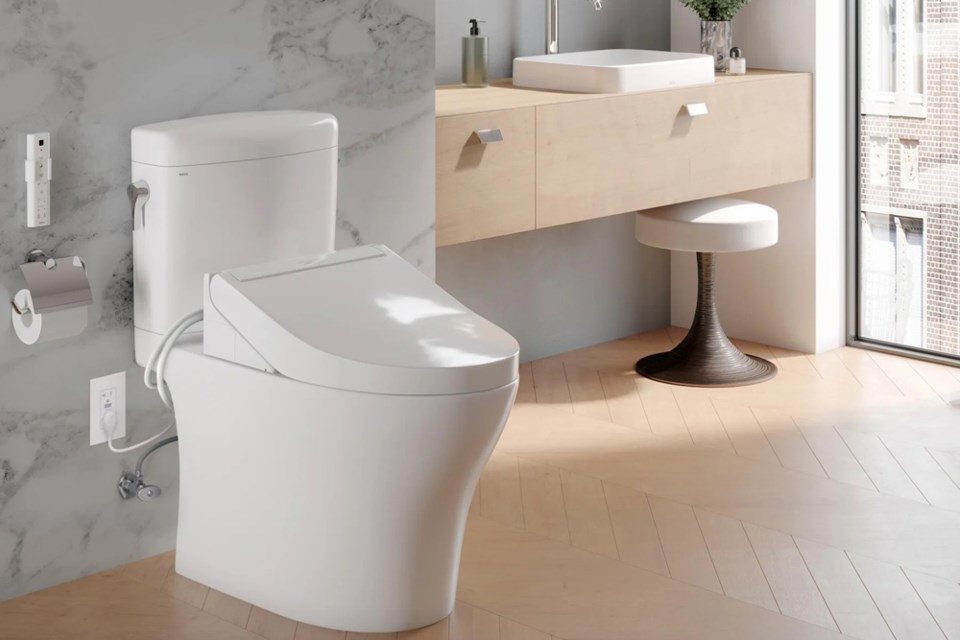
A standalone bidet toilet is a single fixture — bowl, cistern and washlet function built as one unit. It looks cleaner, generally performs better because the components are engineered together, but it requires replacing the entire toilet, which pushes up both material and labour cost.
A retrofit bidet seat, by contrast, attaches to your existing bowl (provided it’s compatible) and adds washing functionality without a full fixture swap. It’s the more budget-conscious route for renters, owners not planning a full renovation, or anyone testing whether a bidet is right for them before committing to a premium standalone unit.
Neither option is objectively “better” — it comes down to your existing plumbing, your budget, and whether you’re renovating anyway. If you’re already ripping out an old toilet as part of a broader bathroom refresh, a standalone unit rarely costs much more once you factor in installation labour either way. For a full breakdown of what’s involved, this guide to premium bidet toilet options walks through the model range and specifications in more detail.
What a Proper Installation Actually Involves
This is the part that separates a good outcome from a headache six months later. A washlet-integrated toilet isn’t a plug-and-play fixture like a standard suite — it requires an adjacent power point (usually GPO-rated for wet areas), a dedicated water supply line with the correct fitting, and enough clearance behind the cistern for the electronics housing.
Getting this wrong is more common than you’d think. Installers unfamiliar with these units sometimes attempt to run power leads across damp floor areas, use incompatible isolation valves, or fail to check water pressure compatibility before connecting the washlet function — all of which shorten the lifespan of the unit or trip safety switches intermittently.
A few things worth confirming before installation day:
- Is there an existing GPO within safe reach of the unit, or does one need to be added?
- Has your home’s water pressure been tested for compatibility with the washlet’s spray function?
- Is the waste outlet position (P-trap vs S-trap) confirmed to match the new unit?
- Will the installer provide a warranty on both the fixture and the workmanship?
Getting these details sorted before the tradesperson arrives saves both time and unnecessary callout fees.
Water Efficiency and the Long-Term Running Cost
It’s easy to focus purely on the upfront price tag and forget that toilets are a genuinely long-term purchase. A well-engineered unit with a WELS 4-star or higher rating will use meaningfully less water per flush than an older 3-star fixture — and in a state where water costs continue to climb, that difference adds up over a 10–15 year lifespan.
Washlet functions themselves use very little additional water compared to traditional toilet paper consumption, and many households find their paper usage drops significantly after switching, which is a smaller but real ongoing saving. Add to that the reduced need for chemical cleaning products thanks to superior glazing, and the total cost of ownership often works out favourably compared to a cheaper unit that needs replacing sooner.
Maintenance Realities Nobody Mentions at the Showroom
Showroom staff are (understandably) focused on selling the sale, not the maintenance schedule. But if you’re investing in a premium bidet toilet or seat, a little ongoing care keeps it performing the way it did on day one.
Nozzle self-cleaning cycles handle the basics, but a monthly manual wipe-down of the nozzle housing prevents mineral build-up, particularly in areas with harder water. Filters (where fitted) should be checked every few months, and any error codes on the control panel are worth investigating promptly rather than ignoring — they’re usually flagging something minor like a water pressure fluctuation rather than a major fault.
- Wipe the nozzle area monthly with a soft, non-abrasive cloth
- Check and clean inline water filters every 3–6 months
- Avoid harsh chemical cleaners on the seat’s electronic components
- Address error codes early — most are simple sensor resets
Making the Decision That Suits Your Household
At the end of the day, this comes down to matching the product to how your bathroom actually gets used. A young family might prioritise the hygiene and reduced-touch benefits of an auto-flush, auto-lid function. An older household or anyone managing mobility challenges might lean toward heated seats and adjustable water pressure for comfort and dignity. Renters or first-time buyers testing the waters might start with a retrofit seat before ever considering a full standalone unit.
Whichever direction you go, the research phase is worth the time investment. A fixture used this frequently, for this long, deserves more consideration than the five minutes it usually gets at the end of a renovation project.
The Bigger Picture
Bathroom fixtures rarely get the attention they deserve in a renovation budget, yet they’re arguably the highest-frequency-use item in the entire house. Taking the time to understand the difference between a retrofit and standalone unit, confirming your home’s electrical and plumbing compatibility before installation day, and factoring in long-term water savings will save both money and frustration down the track. Done thoughtfully, upgrading to a well-engineered unit is one of those renovation decisions that quietly improves daily life in ways that are easy to underestimate until you’ve lived with the difference.