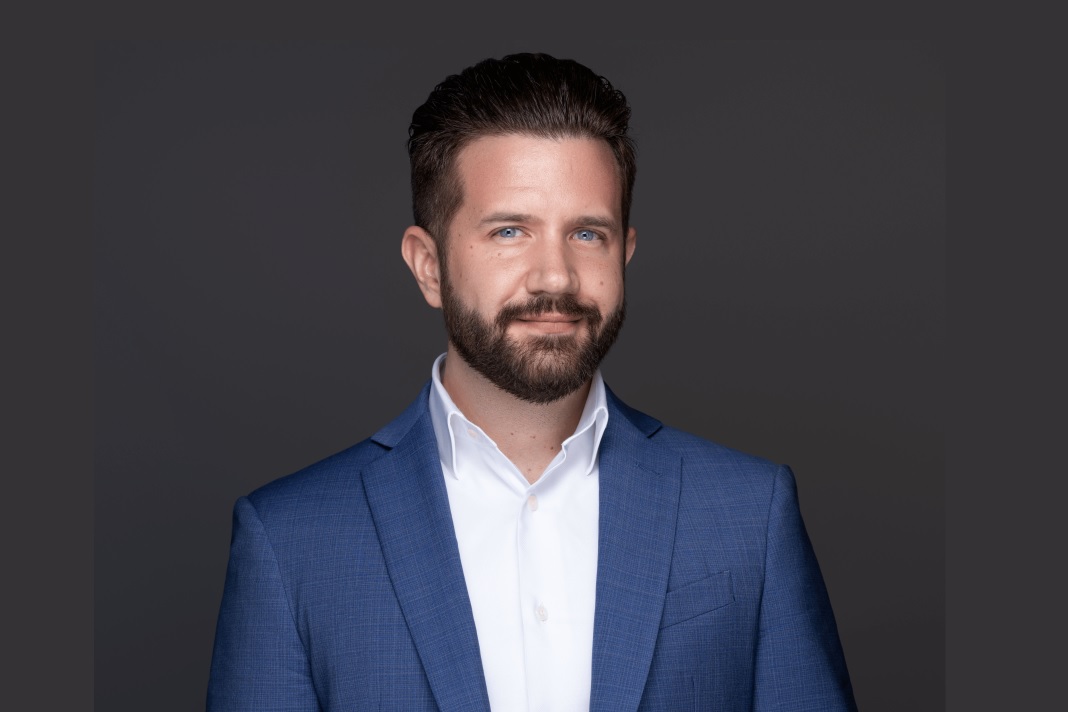
Joseph Ritter’s success in the financial advisory and Medicare planning field is not limited to individual consultations or strategic product recommendations. A less visible, but equally impactful, part of his approach is his ongoing investment in community engagement. Through public education, collaborative networking, and local outreach, Ritter ensures his services are not only accessible, but genuinely integrated into the communities he serves.
At the heart of this engagement strategy is his dedication to financial literacy. Ritter often provides educational sessions for individuals approaching Medicare eligibility, offering clear explanations of complex topics in public settings. These sessions are designed to empower rather than sell, giving attendees the knowledge they need to make independent decisions. By demystifying the intricacies of Medicare and retirement planning, he fills a critical information gap that often leaves seniors vulnerable to confusion and poor decision-making.
These outreach efforts extend beyond formal seminars. Ritter frequently collaborates with local professionals such as estate planners, tax advisors, and elder law attorneys. These alliances create opportunities for shared knowledge and cross-disciplinary support, ensuring that clients benefit from a well-rounded perspective. The ability to recommend or refer clients to trusted local professionals adds another layer of value to Ritter’s advisory model.
His office location in Phoenixville is also strategically significant in terms of community presence. Rather than opting for a remote or purely digital practice, Ritter chose to establish a physical space within the community. This presence makes him more accessible to clients who prefer face-to-face interaction and allows him to stay involved with local events and initiatives. His visibility in the community reinforces his brand not only as a professional but as a neighbor and resource.
In addition, Ritter’s approach to marketing reflects a community-first mindset. Rather than rely solely on online ads or paid promotions, much of his growth stems from local word-of-mouth. Satisfied clients often refer neighbors, friends, and family members after experiencing the clarity and care he provides. This organic form of outreach is both a testament to his effectiveness and a reflection of the trust he has built over time.
Charitable involvement also plays a role in how Ritter stays connected to the people he serves. He supports causes that align with the values of his client base, often participating in local fundraisers or community service programs. These activities are not promotional in nature; they are extensions of his belief that professional success carries a responsibility to give back. His presence at such events underscores the personal commitment behind the professional expertise.
By participating in community dialogue and public education, Ritter elevates his role from advisor to advocate. He doesn’t simply interpret Medicare regulations or outline retirement options—he helps individuals feel seen, heard, and supported during one of the most critical planning phases of their lives. This level of care and presence deepens client relationships and fosters a reputation built on integrity rather than volume.
Joseph Ritter’s business philosophy proves that meaningful success can stem from local engagement. In a digital world where impersonal service is becoming the norm, he continues to prioritize real connection. His model offers a compelling reminder that community involvement is not just good practice—it’s good business.