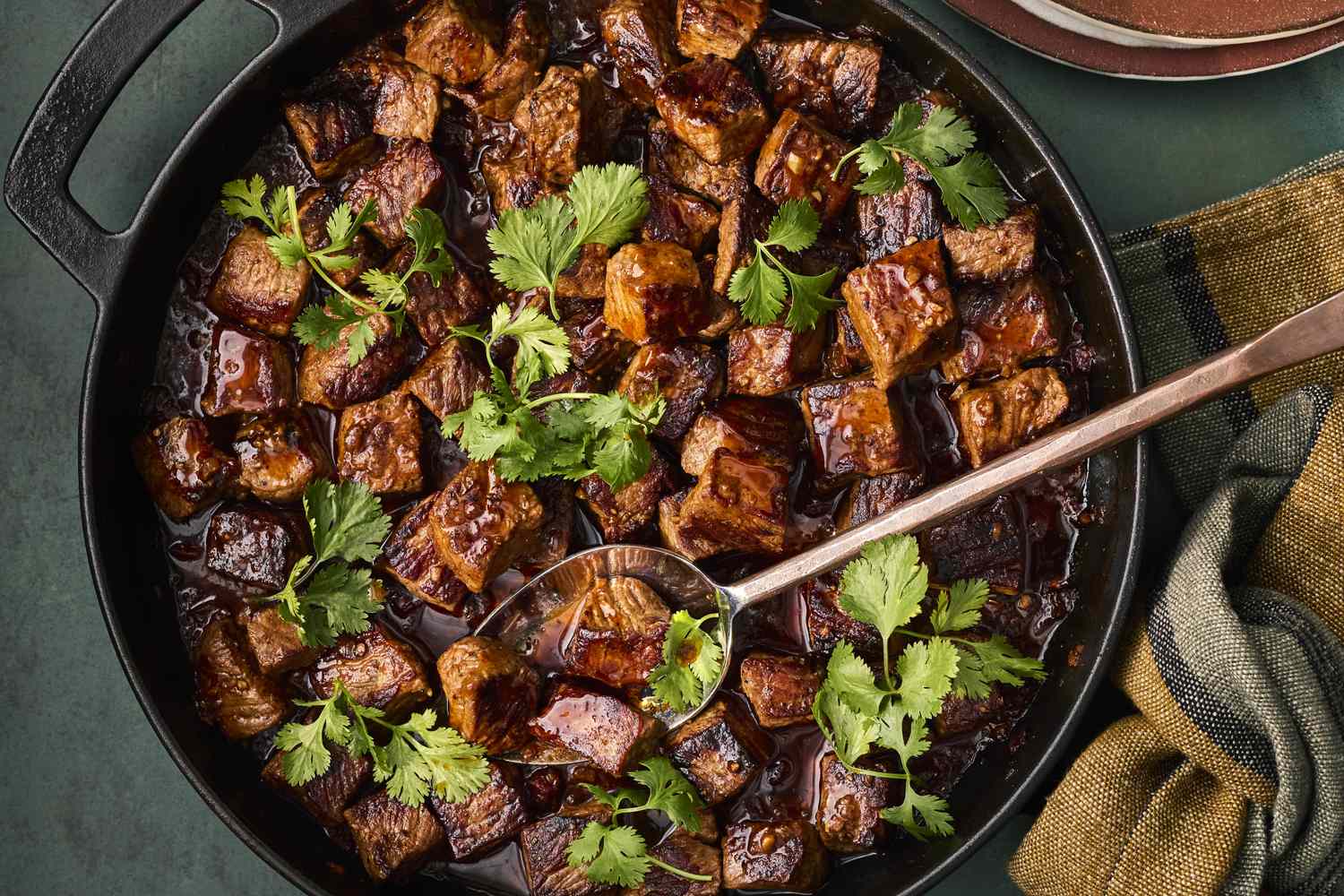
There’s a quiet revolution happening in Australian snacking. Somewhere between the protein bar fatigue and the growing disillusionment with processed savoury snacks, a category has been gaining serious traction: beef bites. Smaller than traditional jerky strips, more portable than anything requiring refrigeration, and punching well above their weight nutritionally, beef bites have found an enthusiastic audience among gym-goers, hikers, office workers, and anyone who needs a satisfying snack that travels well and actually tastes like real food. This article looks at why beef bites are earning their place in the Australian snack landscape, what separates the good from the mediocre, and how to get the most out of them.
What Are Beef Bites?
Beef bites are essentially a bite-sized format of air-dried meat — closer in production method to biltong than to American-style jerky, but distinct in their own right. They’re typically made from premium cuts of beef, marinated in a flavoured brine, then slowly air-dried to remove moisture while concentrating the flavour. The result is a dense, intensely flavoured piece of meat that’s small enough to eat in one or two chews.
The format makes practical sense. Where a full jerky strip requires a certain commitment — you’re holding something you need to actively bite through — a beef bite is genuinely grab-and-go. Pop a handful in a small resealable bag and you’ve got a portable snack that needs no preparation, no refrigeration, and no utensils. For an active population constantly looking for convenient nutrition, the appeal is obvious.
What distinguishes quality beef bites from their lesser counterparts is the same thing that separates good jerky from bad: the starting material, the production method, and the absence of shortcuts. When those three factors are right, the result is extraordinary. When they’re not, you get something rubbery, overly salty, and fundamentally unsatisfying.
Nutrition: What Beef Bites Actually Deliver
The nutritional profile of well-made beef bites is one of the strongest arguments for including them in a regular diet. Starting with lean Australian beef and air-drying without adding preservatives or excess sugar produces a macronutrient profile that’s hard to match in the broader snack category.
A typical 30-gram serve of quality beef bites will deliver somewhere between 15 and 20 grams of protein. Fat content, depending on the cut used, ranges from very low (lean eye round) to moderate (slight marbling for flavour). Carbohydrates, in products made without added sugar or starch, can be negligible — a meaningful advantage for anyone managing carbohydrate intake.
Compare that to a standard 30-gram serve of potato chips (roughly 150 calories, 10 grams of fat, 15 grams of carbohydrates, 2 grams of protein) and the nutritional argument for beef bites is compelling. Same caloric ballpark, radically different macronutrient split — and beef bites provide meaningful satiety through protein that chips simply don’t.
For anyone building a diet that supports training, maintains energy through long work days, or simply reduces dependence on processed carbohydrates, premium beef bites made from quality Australian beef represent one of the better snack choices available in the market.
How Australian Beef Bites Are Made
The production of quality beef bites starts with the cut. Lean cuts — typically silverside, topside, or similar — are preferred because fat can turn rancid during the drying process. The beef is trimmed, sliced, and then marinated in a flavour-forward brine that typically includes salt, spices, and any additional flavour elements specific to the variety being produced.
After marination, the meat goes into the air-drying environment. Unlike oven-baking, which uses high heat to rapidly remove moisture, air-drying is a slower, lower-temperature process that allows moisture to leave the meat gradually while preserving its natural flavour compounds and texture. The result is a denser, more flavourful product than heat-processed alternatives.
The Role of Australian Beef Grading
Starting with MSA-graded Australian beef makes a fundamental difference to the end product. MSA grading assesses cattle on a range of criteria — breed, age, marbling, pH, processing method — and guarantees a minimum tenderness standard. For beef bites, where the eating texture is a central part of the experience, starting with consistently graded beef means a consistently satisfying result.
Producers who are transparent about their beef sourcing and grading standards are signalling something important: that the quality of the raw material matters to them, not just the marinade. That transparency deserves to be rewarded by informed consumers.
Beef Bites as a Training Snack
The fitness community has been an early and enthusiastic adopter of quality beef bites. The reasoning is straightforward: post-exercise protein intake is a training fundamental, and most convenient protein sources — bars, shakes, pre-packaged products — involve significant processing, artificial sweeteners, or both.
Quality beef bites offer a whole-food alternative that delivers comparable protein content without the processing. A 50-gram serving alongside a piece of fruit provides a balanced post-training macronutrient hit — protein for muscle protein synthesis, natural sugars for glycogen replenishment — without requiring preparation or carrying anything that needs refrigeration.
For gym bags specifically, the form factor is ideal. They don’t melt, crush, or expire quickly. They take up minimal space. And unlike protein bars, which often taste aggressively sweet or artificial, beef bites taste like what they are: properly seasoned, high-quality meat.
Flavour Varieties: The Range That Makes Beef Bites Genuinely Interesting
One of the more compelling aspects of the craft beef bites category is the flavour development that serious producers invest in. Where mass-market products default to a handful of generic options, the best Australian producers have developed extensive ranges that reward exploration.
- Peppered: Black pepper-forward, versatile, and crowd-pleasing. The go-to for those who want flavour without heat.
- Chilli: Genuine heat that builds across multiple bites. Quality chilli beef bites should have complexity, not just burn.
- Garlic and herb: More aromatic and savoury, popular with those who find straight salt-and-spice profiles too intense.
- Smoky BBQ: Wood-smoke notes and a slightly sweet finish. Highly compatible with outdoor activities or as a pre-dinner snack.
- Original/classic: The benchmark. The quality of the beef and the marinade balance are most apparent when there’s nothing else to hide behind.
For those who want to explore without committing to a full bag of any single flavour, variety packs provide an excellent entry point. They’re also ideal for office environments where different people have different taste preferences.
Everyday Uses Beyond Snacking
While direct snacking is the primary use case, beef bites have practical versatility that extends further. Consider a few applications:
- Charcuterie and grazing boards: Beef bites add a protein element to a board that’s visually interesting and texturally distinct from sliced deli meats.
- Camping and hiking provisions: Shelf-stable, nutrient-dense, and lightweight — the combination that makes them ideal for time outdoors without access to refrigeration.
- Office desk snacks: A drawer stock of beef bites is a meaningful upgrade from the standard vending machine options and requires no refrigeration or preparation.
- Kids’ lunchboxes: Age-appropriate flavours (mild original, peppered) provide a protein hit in a format that’s genuinely interesting to eat. It is worth checking heat levels carefully for younger children.
- Travel snacks: Long-haul flights, road trips, and train journeys all benefit from a snack that’s satisfying, non-odorous, and doesn’t require packaging disposal mid-journey.
How to Store Beef Bites Properly
Shelf life for quality beef bites varies by producer and production method, but properly air-dried product without artificial preservatives typically maintains quality for 3–6 months from the pack date when stored correctly. ‘Correctly’ means cool, dry, and away from direct sunlight.
Once opened, resealable packaging from quality producers maintains freshness for a week or two if kept sealed between uses. For larger packs, portioning into smaller bags after opening and refrigerating the unused portion extends freshness meaningfully.
The key practical advice: don’t judge a product by how it looks after two weeks unsealed at room temperature. That’s not a fair test of quality. Treat them like any other quality food product — store them properly, consume them within a reasonable timeframe — and the eating experience will reflect what the product actually is.
Beef bites occupy a genuinely useful space in the Australian snack landscape — one that’s increasingly difficult to fill with anything else that matches their combination of portability, nutritional density, and eating satisfaction. As the craft air-dried meat category matures and more Australians explore what’s available beyond the supermarket aisle, the quality ceiling for what beef bites can be continued to rise. Find a producer who starts with quality Australian beef, takes the drying process seriously, and invests in genuine flavour development, and you’ll have found a snack worth coming back to regularly.